Most people believe starting a business needs ₹10,000–₹30,000.
But thousands of women in India are quietly earning lakhs of rupees every month from their homes—without big investments or fancy skills.
Very few people know about these unique business ideas, many of which require almost zero investment. We have found these business ideas and are sharing all the information along with a clear roadmap on how you can start them.
You can learn from these women and build your own small business from home. I guarantee you will gain more insights and a practical execution plan from this article than you ever will from YouTube clickbait videos.
Terrace Farming: ₹85,000 from Jasmine Flowers
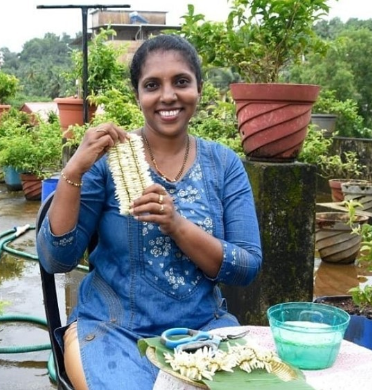
1. Meet Kiran Devadiga
Kiran from Mangaluru, earned ₹85,000 by cultivating jasmine on her terrace during the lockdown.
Why This Works:
Jasmine flowers sell daily for temple offerings and weddings. Despite initial skepticism, her approach to terrace farming proved highly profitable.
High Margin, Low Space: Premium flowers require minimal space but command strong prices due to consistent daily demand.
Best Crops for Terrace:
- Jasmine (daily demand)
- Mint and basil (culinary herbs)
- Microgreens (restaurants pay premium)
- Cherry tomatoes (organic sells well)
Investment: ₹3,000-5,000 for pots, soil, seeds
Meet thauya: The ₹1 Lakh+ Per Month Keychain Seller

2. Meet thauya, who earns over ₹1 lakh monthly from home.
Her secret? She sells simple keychains, earrings, and necklaces priced between ₹29 and ₹299. Nothing fancy. Nothing revolutionary. Yet she ships 6,000 orders every month through her own website.
She doesn’t have unique, premium designs. She doesn’t run expensive ads either.
So how does she get so many sales?
Simple. She creates content on Instagram every day.
Tanya posts videos showing her products and behind-the-scenes clips of packing orders. Her reels get millions of views. From those millions, thousands become customers. The best part? Her videos aren’t professionally edited. No fancy equipment. No studio lighting. Just her phone and genuine content that people connect with.
This is the blueprint anyone can follow:
Pick any product you’re interested in selling—kids’ bottles, tiffin boxes, toys, home decor items. Then you have two options:
Option 1: Dropshipping – You don’t buy inventory upfront. Just generate sales and earn commission. Platforms handle shipping and storage.
Here are some of the best dropshipping websites in India, where you can choose products of your choice and earn money by selling them.
Option 2: Direct Supplier – Find a supplier, buy inventory in bulk, and sell it yourself for higher margins.
The product isn’t the magic. The content is. Thauya proved that consistent, authentic content beats expensive ads and fancy designs every single time.
Mushroom Farming: From ₹500 to ₹2 Lakh Per Month
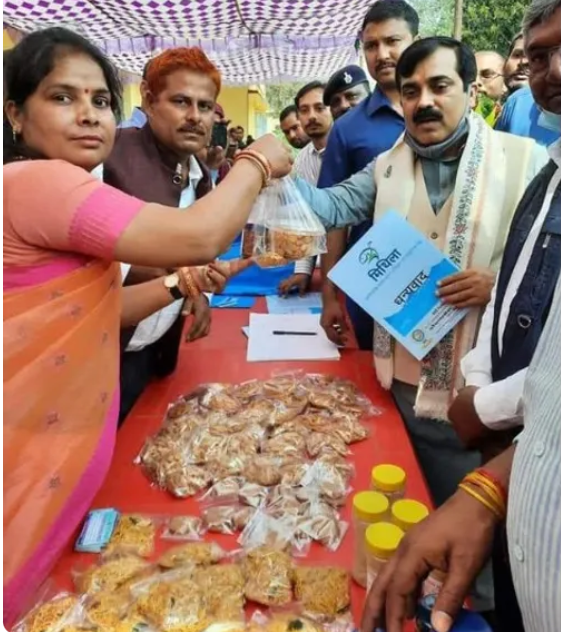
3. Meet Pratibha Jha
A 40-year-old from Darbhanga, Bihar, who started with just ₹500 and now earns ₹2 lakh monthly from mushroom farming.
Her Secret? She didn’t just grow mushrooms. She trained 10,000 farmers and expanded into pickles, papads, and snacks.
Why Mushrooms Work:
You don’t need land. A dark room, some rice straw, and mushroom spawn are enough. Pratibha leveraged government support and training programs to scale rapidly.
The Numbers:
- Initial Investment: ₹500
- Monthly Income: ₹2,00,000
- Growth Time: Started small, scaled over 2-3 years
- Space Needed: One spare room
Contact your local Krishi Vigyan Kendra (KVK) for free mushroom cultivation training. Many state governments offer subsidies for women entrepreneurs.
Crocheted Toys: Turning Thread into ₹14 Lakh Annually
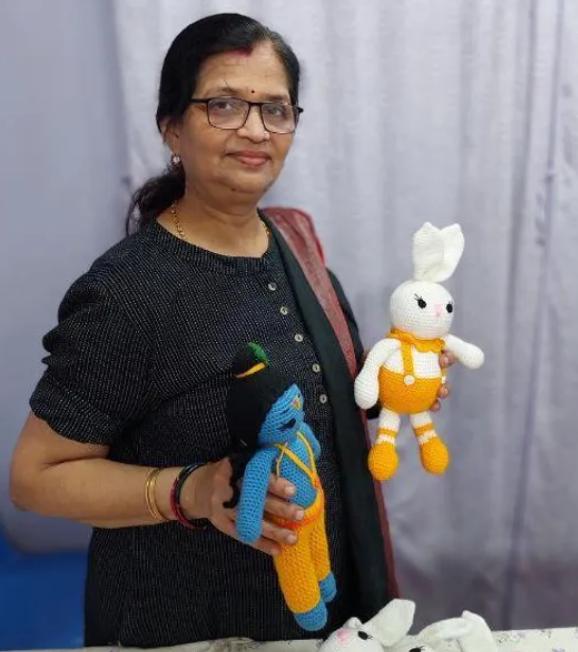
4. Meet Kanchan Bhadani
A 61-year-old entrepreneur from Jhumri Telaiya, Jharkhand, who runs “LoopHoop” selling crocheted toys.
Her annual revenue exceeds ₹14 lakh, and she’s trained 50 tribal women who now earn from their craft.
Why This Works in 2025:
Parents want screen-free, handmade toys. Urban buyers pay premium for “sustainable” and “artisanal” products. Each toy tells a story.
The Business Model:
- Sells on Amazon, Instagram, and craft exhibitions
- Custom orders for birthdays and baby showers
- Bulk orders from boutique stores
Skills Required: Basic crocheting (learnable in 2 weeks through YouTube)
Investment: ₹2,000-3,000 for yarn and hooks
Chandraprabha Parihar started her crocheting business “Nayher” at age 70, proving it’s never too late.
Natural Handmade Soaps: Turning Passion into Profit
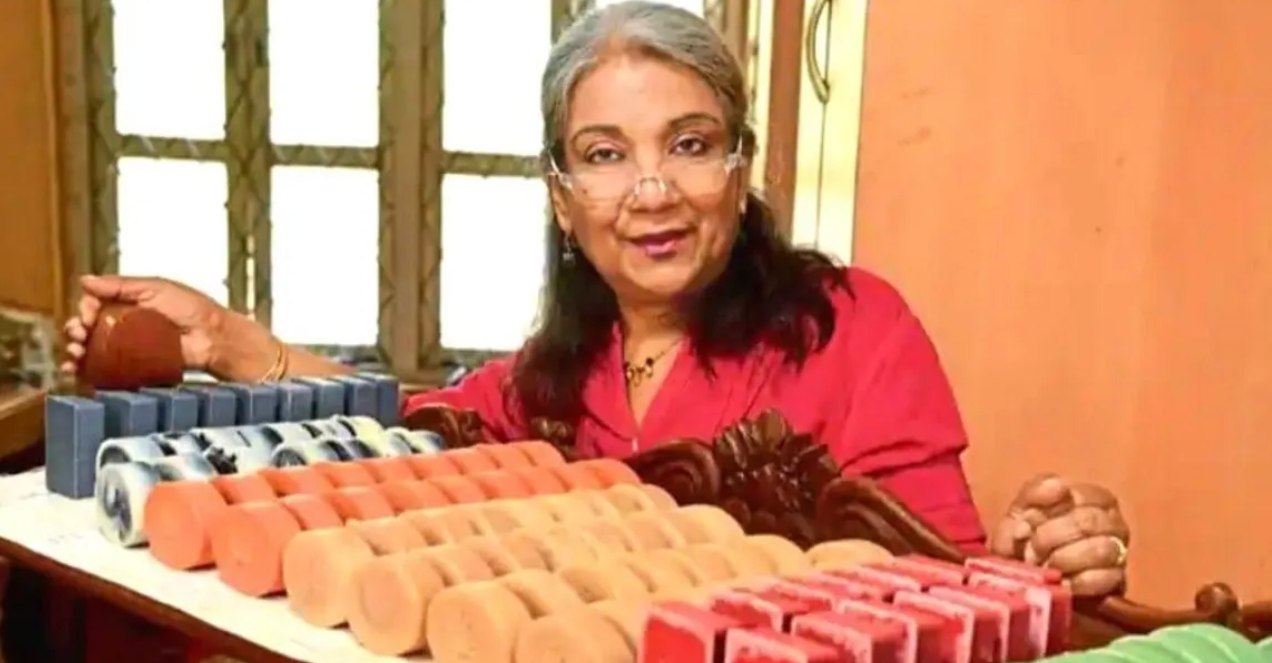
5. Meet Suchita Ullas
At 64, she turned her passion for natural soap-making into “Suchi’s Handmade Skincare Products” in Bengaluru.
The Market Gap:
Chemical-free, natural skincare is booming. People want to know exactly what touches their skin. Handmade soaps with ingredients like turmeric, coconut oil, and essential oils sell at ₹150-300 per bar.
Why This Business Is Special:
- High profit margins (60-70%)
- Loyal customer base (people stick to products that work)
- Gift market is huge (soap gift hampers for festivals)
Investment: ₹5,000-8,000 for molds, ingredients, and packaging
Learning Curve: 1-2 months to perfect recipes through online courses
Waste Management Services: ₹30,000-₹50,000 Monthly
The Kerala Model
Waste management is no longer just civic responsibility—it’s a paid professional service.
In Kerala, the Haritha Karma Sena, a collective of women, earns ₹30,000-₹50,000 monthly by collecting and segregating household waste.
They’re not ragpickers but “waste management professionals” who charge user fees and sell recyclables.
Recurring Revenue Model:
- Monthly user fees from households (₹100-200 per home)
- Income from selling segregated recyclables
- Composting service charges
Why It’s Sustainable: People willingly pay for door-to-door waste collection.
Meet Ritu: The Village Homemaker Who Sells 600 Handbags Daily
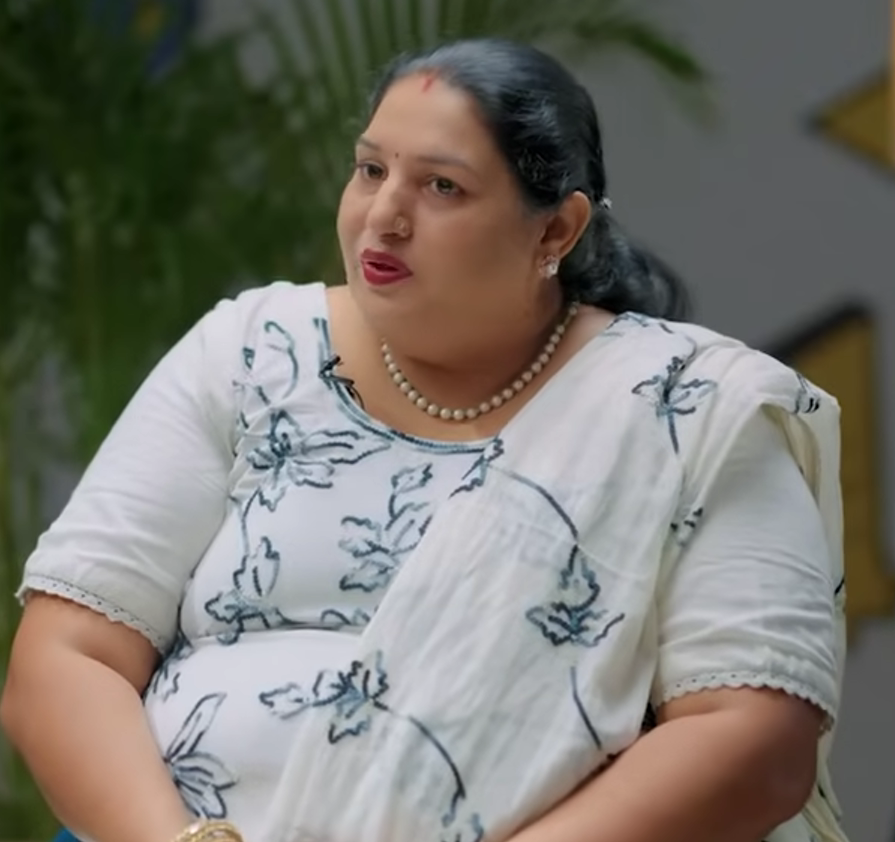
“What will a woman do online?”
That’s what the shopkeeper said when Ritu tried to buy handbags for her business. She went back three times. On the third visit, he finally sold to her.
Today? Ritu sells 500-600 handbags every single day and employs 150 people.
Her starting capital was ₹10,000.
Ritu always loved handbags. But she knew most women like her couldn’t afford ₹2,000-5,000 designer bags.
Her insight: Middle-class women dream of owning beautiful handbags too. They just need them at ₹200-300.
So she made exactly that. Affordable, quality handbags for women who budget every rupee.
If you don’t have an initial investment of ₹10,000 to ₹30,000 to start a business, there is an easy option available. You can arrange your initial investment without stress. we have mentioned all the options through which you can get the required money and start your business with almost zero investment.
Zero investment business from home in India for ladies
Your Action Plan
Week 1: Choose Your Path
- Pick ONE idea from this list
- Watch 3-5 YouTube videos about it
- Join relevant Facebook/WhatsApp groups
Week 2: Validate the Idea
- Ask 10 people: “Would you buy this?”
- Find your competitors (if they exist, there’s demand)
- Calculate basic costs
Week 3: Make Your First Product
- Create 5-10 units
- Give 3 as free samples to trusted people
- Sell the rest to friends/family
Week 4: Get Your First Customer Outside Your Circle
- Post on local community groups
- Use WhatsApp status
- Take orders
That’s it. Four weeks from idea to first real customer.